


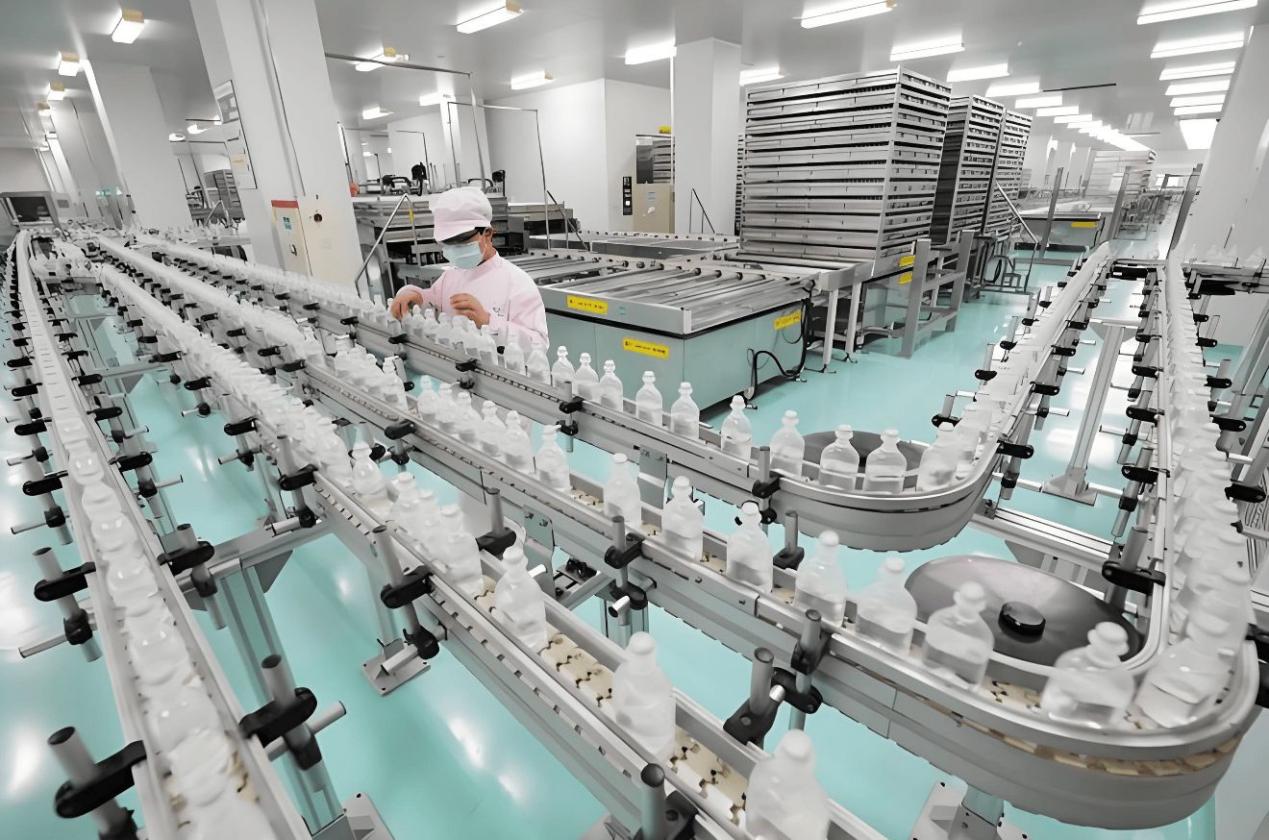
Pharmaceutical and biotechnology manufacturing requires careful control of contamination throughout production, cleaning, and material handling. Depending on the process, facilities may need to control particles, fibers, microorganisms, chemical residues, and other potential sources of contamination.
WestonWiper offers a range of cleanroom consumables, including cleanroom wipes, swabs, gloves, and garments. These products can be evaluated for designated equipment-maintenance tasks, work-area cleaning, precision cleaning of compatible surfaces, and personnel contamination-control procedures.
The appropriate product depends on the manufacturing process, cleanroom requirements, cleaning and disinfection procedures, and the technical specifications of the consumable. Explore the applications and selection criteria below to identify relevant product options for your facility.
Pharmaceutical & Biotechnology Applications
Pharmaceutical and biotechnology facilities perform a range of manufacturing, Aseptic Processing & Sterile Filling
Pharmaceutical QC Laboratories
Pharmaceutical Equipment Cleaning
Industry Cleaning Challenges
Pharmaceutical and biotechnology facilities must consider contamination risks that cannot always be identified through visual inspection alone.
Microbial Contamination Risk
Microbial control is an important consideration in pharmaceutical manufacturing, particularly for sterile products and aseptic processing.
Cleaning consumables must be compatible with the facility's established cleaning and disinfection procedures. A wipe is not automatically a disinfectant, and a cleanroom product is not automatically sterile.
Where sterile consumables are required, the product's sterile status and supporting documentation must be verified for the specific model.
Particles and Fiber Release
Particles and fibers introduced by consumables can be undesirable in controlled manufacturing environments.
Evaluate applicable particle-release and lint-performance data, including the test methods and conditions. Material composition alone does not establish that a product will meet every facility's cleanliness requirements.
Chemical Compatibility and Residues
Cleaning agents may interact differently with stainless steel, polymers, coatings, seals, and other facility materials.
Verify the compatibility of the consumable and cleaning agent with the target surface. Depending on the application, additional extractables, non-volatile residue, or other contamination data may be required.
Cleaning and Disinfection Compatibility
Cleaning and disinfection are separate but related activities. The cleaning step must be appropriate for the surface and process, while the disinfectant and application procedure must be suitable for the required microbial control.
Check compatibility with the specified agents and follow the facility's documented procedures, including any required contact times and validation or verification activities.
Packaging and Cross-Contamination
Packaging, storage, transfer, and product handling can influence the cleanliness of consumables when they are introduced into controlled areas.
Facilities should establish suitable procedures for material transfer, dispensing, storage, and disposal according to their contamination-control strategy.
Consistent Personnel Handling
Gloves and garments should support defined gowning and handling practices. Their selection should reflect the cleanliness requirements of the area and any additional process or protection requirements.
Product categories alone do not establish suitability for a particular cleanroom classification or sterile manufacturing operation.
Cleanroom Environment Requirements
The suitability of a cleanroom consumable depends on the environment, the task, and the product's documented performance.
ISO 14644-18:2023 provides guidance for assessing cleanroom consumables based on intended use, cleanliness attributes, functional performance, and relevant contamination risks.
Cleanroom Classification and Process Requirements
Identify the required cleanliness level and the specific role of the product in the process.
Requirements may differ between a general pharmaceutical support area, a controlled laboratory, and an aseptic manufacturing environment. Product selection should reflect the actual application rather than relying on a broad cleanroom-use description.
Sterile or Non-Sterile Status
Determine whether the process requires sterile consumables or permits non-sterile products.
Where sterile products are required, verify the sterile status, applicable sterilization information, packaging integrity, product labeling, and supporting documentation for the selected model.
Do not assume that every cleanroom wipe, swab, glove, or garment is available in a sterile configuration.
Cleaning Agent and Disinfectant Compatibility
Confirm compatibility with the specified cleaning agents and disinfectants.
Where a consumable is used in a cleaning or disinfection procedure, consider its material properties, liquid absorption, potential residues, and suitability for the surface and process.
A consumable's compatibility with a disinfectant does not independently establish the effectiveness of the disinfection procedure.
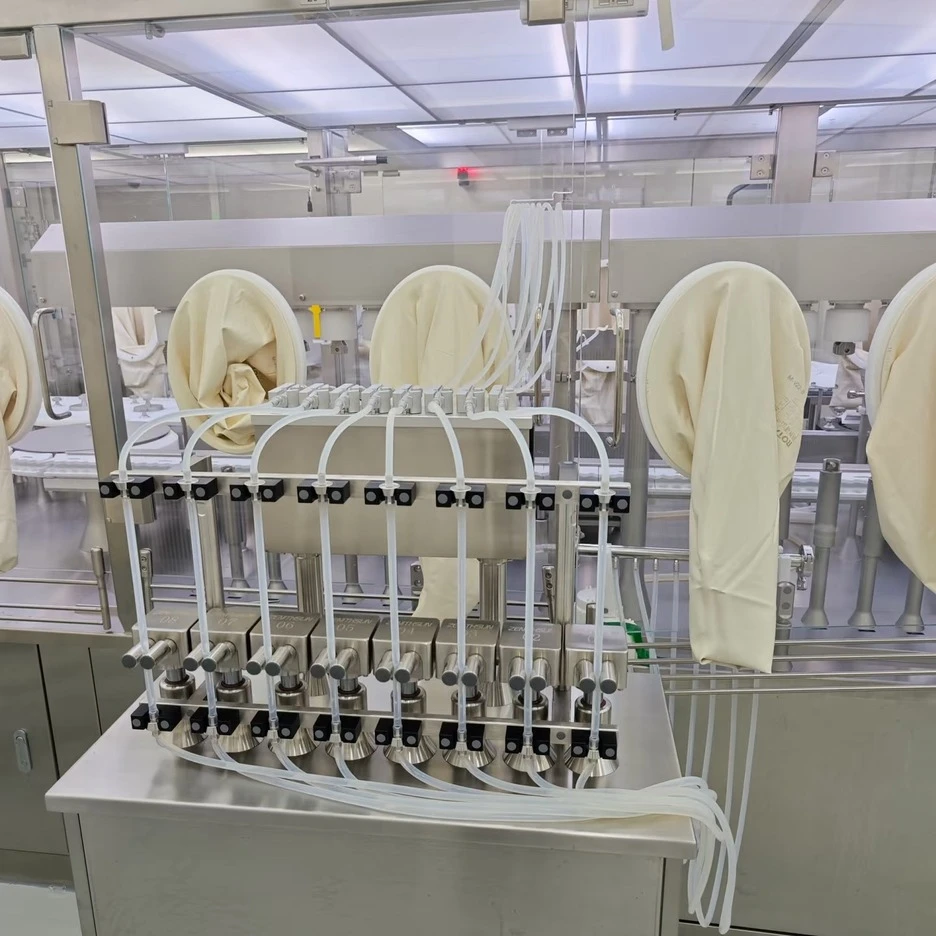
Particle and Chemical Contamination
Review applicable test information for particle release, lint performance, and other cleanliness properties relevant to the intended task.
Where necessary, assess additional chemical attributes such as extractables, non-volatile residues, or ionic contamination.
Packaging and Material Transfer
Consider how consumables are packaged, stored, introduced into controlled areas, and handled during use.
The packaging format should be consistent with the facility's requirements for maintaining product cleanliness and avoiding contamination during transfer.
Quality Documentation and Traceability
Review the available technical documents before introducing a product into a controlled process.
Depending on the application, these may include a product datasheet, relevant cleanliness test reports, sterile-status documentation, material specifications, and applicable quality or batch-traceability records.
Recommended Cleanroom Product Selection
The following matrix connects common pharmaceutical and biotechnology applications with product categories that may be suitable for evaluation.
|
Application |
Relevant product category |
Key selection considerations |
|
Designated equipment and work-area cleaning |
Cleanroom Wipes |
Material composition, particle and lint performance, dimensions, absorbency, and cleaning-agent compatibility |
|
Precision cleaning of small, accessible areas |
Cleanroom Swabs |
Tip material, tip geometry, handle construction, cleanliness data, and chemical compatibility |
|
Cleaning tasks requiring specified liquid formulations |
Pre-Saturated Cleanroom Wipes, where available |
Substrate compatibility, liquid formulation, packaging, and residue requirements |
|
Personnel hand protection |
Cleanroom Gloves |
Material, fit, cleanliness performance, sterile status if required, and other relevant properties |
|
Personnel gowning in controlled environments |
Cleanroom Garments |
Fabric composition, garment construction, cleanliness requirements, and sterile status if required |
|
Designated particle removal |
Cleanroom Sticky Rollers, where appropriate |
Adhesive characteristics, surface compatibility, potential residues, and facility-approved use |
How to Select Cleanroom Wipes
When evaluating cleanroom wipes for pharmaceutical and biotechnology applications, consider:
- Material composition: Suitability for the target surface and cleaning procedure.
- Particle and lint performance: Relevant test data and the requirements of the intended area.
- Chemical compatibility: Compatibility with the cleaning agent, disinfectant where applicable, and surface material.
- Absorbency and durability: Liquid pickup, structural integrity, and potential residue considerations.
- Sterile status: Confirmation of the specific product configuration where sterile consumables are required.
- Packaging: Suitability for storage, transfer, and handling in controlled environments.
When Should You Consider Cleanroom Swabs?
Swabs can be evaluated for small, accessible surfaces and narrow areas that may be difficult to reach with a conventional wipe.
Selection should consider tip material, geometry, handle construction, particle-release characteristics, and compatibility with the cleaning method.
For sensitive equipment, product and method suitability should be confirmed against the equipment manufacturer's instructions and the facility's procedures.
How Should Gloves and Garments Be Selected?
Gloves and garments should be selected according to the facility's gowning requirements, handling procedures, and cleanliness specifications.
Check material composition, size and fit, construction, packaging, and any required sterile or protective properties. These requirements should be confirmed through product-specific documentation rather than inferred from the product category.
Technical Specifications & Documentation
Technical specifications help procurement teams, quality personnel, and process engineers evaluate whether a cleanroom product is suitable for its intended use.
The relevant parameters differ by product category. Actual values and claims should be confirmed using the current datasheet and supporting documentation for the specific product model.
|
Product category |
Specifications to review |
Supporting information to request where applicable |
|
Cleanroom Wipes |
Material composition, basis weight, dimensions, edge treatment, particle and lint performance, absorbency, and packaging |
Product datasheet, applicable cleanliness test reports, chemical-compatibility data, and sterile-status documentation if required |
|
Cleanroom Swabs |
Tip material, tip geometry, tip dimensions, handle material, total length, and applicable cleanliness properties |
Dimensional specifications, relevant particle or residue data, and sterile-status documentation if required |
|
Cleanroom Gloves |
Material, size, length, thickness where specified, powder status, cleanliness, and other required protective properties |
Product datasheet, applicable quality information, and sterile-status documentation if required |
|
Cleanroom Garments |
Fabric composition, construction, design, size range, cleanliness performance, and packaging |
Product specifications, relevant test reports, and sterile-status documentation if required |
|
Cleanroom Sticky Rollers |
Roller dimensions, roller material, adhesive characteristics, packaging, and intended application |
Product datasheet and applicable compatibility or residue information |
Documentation Checklist Before Procurement
Before approving a product for a pharmaceutical or biotechnology application, confirm that the available documentation addresses the relevant requirements.
- Product identification: Model number, material composition, dimensions, and packaging configuration.
- Cleanliness performance: Applicable particle, lint, or other cleanliness test results, including test methods and conditions.
- Chemical compatibility: Available information supporting compatibility with the intended surface, cleaning agent, or disinfectant.
- Sterile status: Where applicable, confirmation of the specific sterile product configuration and relevant supporting documentation.
- Quality and traceability: Available batch identification, quality-control records, and traceability information according to purchasing requirements.
- Intended-use limitations: Restrictions concerning the target surface, cleaning agent, environment, handling, or application.
A product's cleanroom designation alone does not establish that it is suitable for every pharmaceutical cleanroom or aseptic manufacturing process. Final selection should be based on the specific product documentation, facility procedures, and applicable qualification requirements.
Frequently Asked Questions
Q: Are cleanroom wipes suitable for pharmaceutical manufacturing?
A: Cleanroom wipes can be suitable for designated pharmaceutical cleaning and maintenance tasks, provided their specifications meet the requirements of the intended application. Selection should consider particle and lint performance, material compatibility, packaging, and sterile status where required.
Q: What is the difference between sterile and non-sterile cleanroom wipes?
A: Sterile wipes are supplied with a specified sterile status supported by relevant product documentation. Non-sterile wipes do not have that same status. The correct choice depends on the process requirements, and a facility should verify the specification of the actual product model before use.
Q: Can cleanroom wipes replace disinfectants in pharmaceutical cleanrooms?
A: No. Wipes are cleaning consumables, while disinfectants and validated procedures address microbial-control requirements. The wipe, cleaning agent, and procedure must be suitable for their respective roles in the facility's cleaning and disinfection programme.
Q: What should buyers check when selecting cleanroom consumables for aseptic processing?
A: Buyers should verify the required cleanliness properties, sterile status where applicable, material compatibility, packaging, handling requirements, and relevant supporting documentation. The facility's approved procedures and applicable regulatory requirements take precedence.
Q: Which cleanroom products are relevant to biotechnology laboratories?
A: Depending on the task, relevant products may include cleanroom wipes, swabs, gloves, and garments. Product selection should consider the surface, process, cleaning agent, contamination risks, and any special requirements associated with the application.
Q: What documentation should be requested from a cleanroom products supplier?
A: Depending on the use, buyers may need product datasheets, applicable cleanliness test reports, material specifications, chemical-compatibility information, sterile-status documentation, and quality or batch-traceability records.
Related Technical Resources
Explore WestonWiper's technical resources to support cleanroom product selection and contamination-control planning.