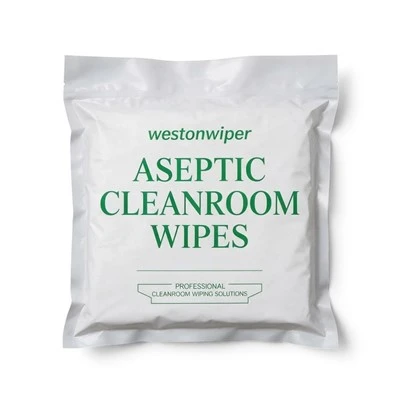
The recycling of cleanroom consumables generally follows two paths: the dismantling and reuse of high-value equipment and panels, and the reprocessing (cleaning) of low-value consumables such as gloves and cleanroom wipes. These practices aim to reduce corporate costs and ensure compliance with ISO14001 environmental standards.
The collection frequency for solid waste depends on the cleanroom's production activities. Generally, waste is collected at least once a day; however, if production is intensive and generates a large volume of solid waste, the collection frequency may need to be increased-such as to twice daily-to prevent bins from overflowing and disrupting normal operations.
Reprocessing of small consumables: Non-biodegradable items-such as cleanroom gloves, plastic containers, and cleanroom wipes-can have their ESD properties and cleanliness restored through professional reprocessing. The quality of the reprocessed items approaches that of new products, offering significant savings on procurement costs and reducing environmental pollution.
The gaseous waste collection system operates continuously, monitoring gas concentrations within the cleanroom in real time.
If hazardous gas concentrations exceed safety standards, the system automatically initiates collection procedures,
ensuring that gaseous waste is treated promptly and that indoor air quality remains within required limits.
The collection frequency for solid waste depends on the cleanroom's production activities. Generally, waste is collected at least once a day; however, if production is intensive and generates a large volume of solid waste, the collection frequency may need to be increased-such as to twice daily-to prevent bins from overflowing and disrupting normal operations.