Cleanrooms utilize a wide variety of consumables that play a crucial role in maintaining cleanliness levels. Common cleanroom consumables include:
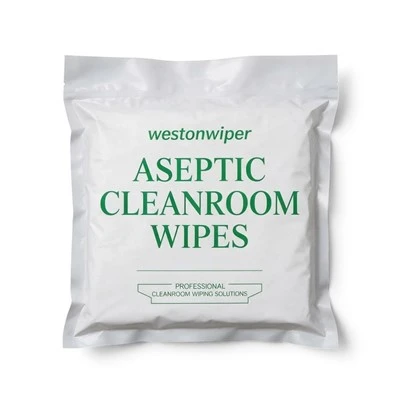
Cleanroom wipers: Used to clean and wipe down equipment and surfaces; they effectively remove dust and stains without generating new particulate contamination.
Sticky mats: Placed at entrances or critical areas to capture and remove dust and particles from personnel or objects.
Cleanroom paper: Similar to cleanroom wipers but designed for single use, making replacement and disposal convenient.
Wiping paper: Specifically designed for cleaning precision equipment and surfaces; characterized by low particle generation and low static properties.
Gloves: Typically made of latex or nitrile; they prevent skin flakes and other dust from contaminating the environment, ensuring cleanliness during operations.
Face masks: Used to block exhaled particles; disposable medical-grade masks are commonly used.
Anti-static wrist straps: Used to dissipate static electricity from the human body, preventing damage to equipment and products.
Cleanroom-specific furniture (tables and chairs): Made from specialized materials and designs that are easy to clean and do not generate dust.
Peelable tapes: Used for product packaging or removing protective films while maintaining cleanliness standards.
Additionally, there are specialized consumables-such as cleanroom sticky rollers and adhesive floor mats-designed for more efficient cleaning of equipment and floors.
The selection and use of these consumables must be based on the cleanroom's cleanliness class, production processes, and equipment requirements to ensure standards are met. Strict regulations regarding storage and management are also essential to prevent contamination and cross-contamination.