




Core Features
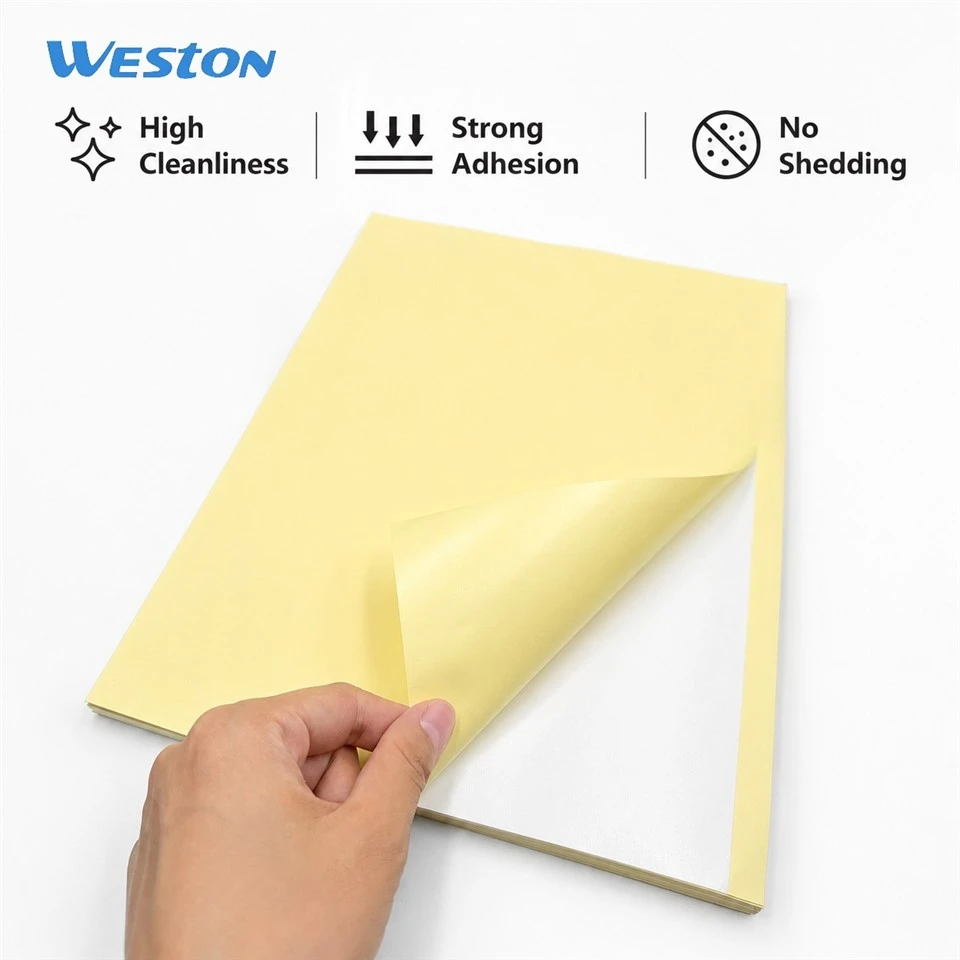
High-tack, zero-transfer adhesive. The adhesive grips contamination off the roller but won't flake, smear, or leave gum residue on your work surface - even after heavy use.
100+ reuse cycles per pad. Each pad is built for extended service life, so you're not restocking every shift.
1–3 year shelf stability. Adhesive performance holds steady in storage, so pads bought in bulk don't degrade before you get to them.
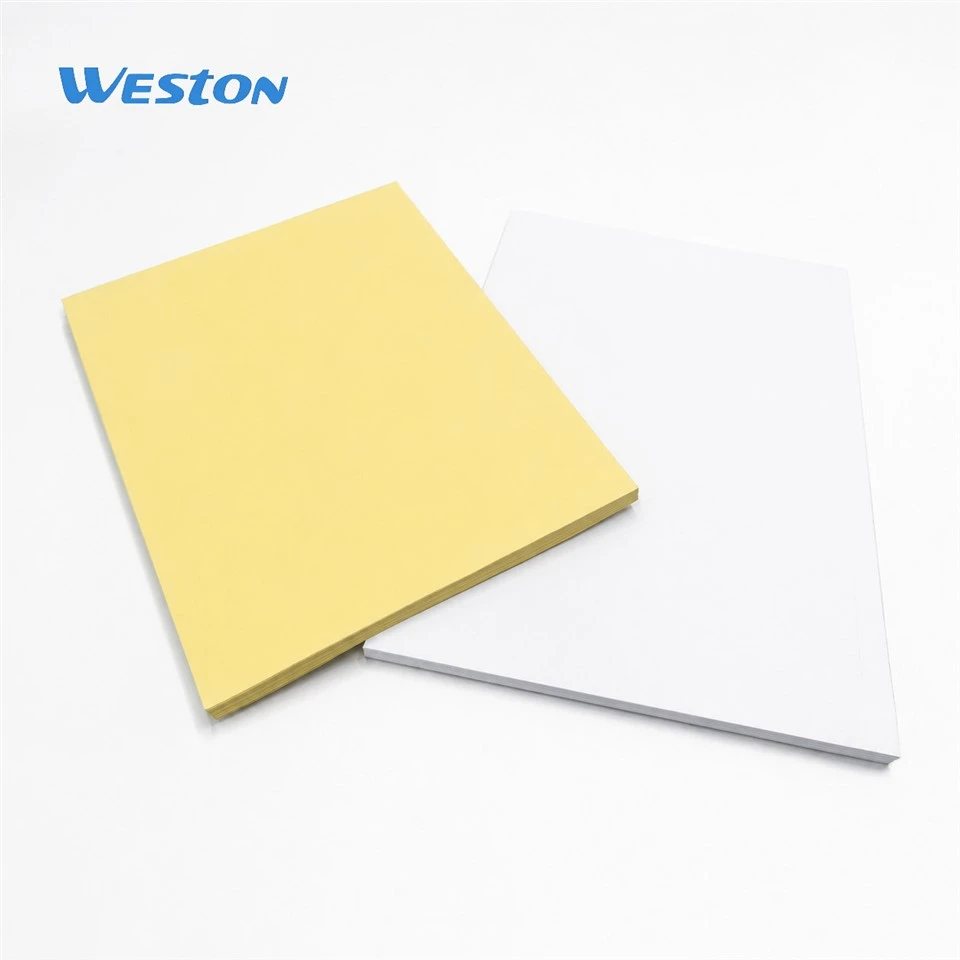
Clean-tear V-cut design. Each sheet separates along a V-cut line without shredding the base or face paper - no stray paper fibers landing on your panel.
Load-rated adhesive layer. Rated to withstand 0.5–1.0 kg of applied pressure without adhesive shift or gravity-induced peel, so friction from repeated rolling won't loosen the bond.
Odor-free, uniform coating. Adhesive density is applied evenly across the sheet - no thin spots, no off-gassing near sensitive product lines.

Product Specifications
|
Attribute |
Detail |
|
Sheet size |
310mm x 230mm |
|
Sheets per pad |
40 |
|
Pads per box |
30 |
|
Face paper |
100 gsm PE-coated paper |
|
Base paper |
100 gsm PE-coated paper |
|
Adhesive type |
Hot-melt adhesive |
|
Sheet separation |
V-cut, tear-clean design |
Performance Test Data
|
Test Parameter |
Result |
|
Reuse cycles per pad |
100+ passes before tack loss |
|
Shelf life (sealed storage) |
1–3 years |
|
Load tolerance |
0.5–1.0 kg without adhesive slip |
|
Residue after removal |
None detected |
|
Odor emission |
None detected |
|
Paper fiber shedding on tear |
None observed |
Where It Gets Used
This pad sits underneath the dust roller - a small, quiet part of the process - but the industries relying on it are anything but small margin-for-error operations.
Semiconductor fabs
Semiconductor fabs run it as a standard step before wafer handling, keeping rollers particle-free between contact points on the line.
01
PCB manufacturers
PCB manufacturers use it during board cleaning stages, where even trace dust can affect solder mask adhesion or trace inspection.
02
LCD and glass processing lines
LCD and glass processing lines rely on it ahead of panel lamination, where a single trapped particle can show up as a visible defect under backlight.
03
Food processing facilities
Food processing facilities use it on stainless steel prep surfaces and conveyor components, valuing the odor-free formulation where product contact is a concern.
04
Steel plate finishing operations
Steel plate finishing operations use it between polishing and coating stages, catching metal dust before it transfers into paint or laminate layers.
05
Example: LCD Panel Line
A glass panel line running two shifts a day was seeing roller-transferred dust become visible under final inspection lighting. Switching to a scheduled pad-tear routine between roller passes - roughly every 15–20 panels - brought visible defect flags down without adding meaningful time to the cleaning cycle, since each tear-off takes seconds.
Frequently Asked Questions
Hot Tags: cleanroom sticky note pad, China cleanroom sticky note pad manufacturers, suppliers, factory, Cleanroom Sticky Note Pad, lens cleaner stick, PCB Cleaning Roller, Silicone Sticky Pen, Sticky Dust Stick


