Dry vs. Wet Cleaning: Which Method Is Better for Fiber-Optic Connectors?
Fiber-optic connectors fail for many reasons, but contamination remains one of the most common and preventable causes. The best cleaning method is not simply "dry" or "wet"-it depends on the type of contamination, the connector location, and whether the end face passes inspection after cleaning. For most field and data-center teams, a controlled wet-to-dry process offers the most reliable result.
Why Fiber-Optic Connector Cleaning Matters
What Happens When a Connector End-Face Is Contaminated?
A fiber connector's end face must allow light to pass cleanly from one ferrule to another. Dust, skin oils, lint, moisture films, and polymer residues can interrupt that optical path, increasing insertion loss and back reflection while reducing link stability.
This is especially important in single-mode systems, where the light-carrying core is extremely small. Even a particle that looks invisible to the naked eye can sit on or near the core, interfere with alignment, or transfer contamination into a transceiver or adapter.
The Real Cost of Skipping Inspection and Cleaning
For installers, data-center technicians, telecom teams, and lab users, dirty connectors create practical problems: intermittent links, failed tests, unnecessary troubleshooting, repeated rework, and damaged equipment. Industry guidance consistently recommends inspecting and cleaning connectors before testing and connection, including reference test cables.
The most dependable workflow is Inspect–Clean–Inspect:
- Inspect the end face with a suitable fiber microscope.
- Clean only when contamination is present.
- Inspect again after cleaning.
- Connect only when the end face is clean and dry.

Dry Cleaning: When Is It the Right Choice?
How Dry Cleaning Works
Dry cleaning uses lint-free wipes, one-click cleaning tools, cleaning cassettes, or other dry cleanroom materials to remove loose particles from an exposed connector end face. It is fast, portable, and useful when the connector has only light, non-adherent contamination.
For exposed patch-cord ferrules, a high-quality lint-free wipe or a purpose-built cleaning tool can be an efficient first choice. The key is to use clean, low-particulate materials designed for optical connectors-not ordinary tissues, cotton swabs, or shop cloths.
The Hidden Risk: Static Charge and Recontamination
Dry wiping can generate friction and static charge. A charged end face may attract airborne particles, meaning the connector can become contaminated again shortly after cleaning.
Dry cleaning also has limited ability to remove fingerprints, oily films, salts, and stubborn organic residues. If a contaminant is bonded to the glass surface, simply wiping it dry may smear it or leave particles behind.
Best Use Cases for Dry Cleaning
Dry cleaning is appropriate when:
- The end face has light dust or loose particulate contamination.
- You need a quick field check before connecting a patch cord.
- You are using a purpose-built optical cleaning tool.
- You inspect the connector immediately afterward and confirm it is clean.
If inspection still shows residue, streaks, or particles, move to a wet-to-dry method rather than wiping repeatedly with a dry material.
Wet Cleaning: Stronger Removal, But Technique Matters
What Wet Cleaning Actually Removes
Wet cleaning uses a small amount of fiber-grade cleaning fluid to dissolve contaminants that dry cleaning may leave behind. It is particularly useful for fingerprints, skin oils, moisture films, salt residues, and stubborn organic contamination.
A suitable fluid also helps reduce static and allows the wipe or swab to lift particles away rather than push them across the end face. This is why many cleaning procedures use a wet step followed by a dry finishing step.
Why "More Fluid" Is Not Better
Using too much liquid is a common mistake. Excess fluid can migrate into the ferrule side, adapter, alignment sleeve, or bulkhead, creating new contamination and leaving residue behind.
The goal is a slightly damp cleaning surface-not a soaked wipe. The cleaning material should contact the end face briefly and move in one controlled direction, then finish on a dry area.
Is IPA Still a Good Choice?
Isopropyl alcohol (IPA) has long been used for fiber cleaning, but it is not automatically the best option for every contaminant. Some technicians have moved away from alcohol-only cleaning because IPA may not remove all residues and can evaporate relatively slowly, increasing the chance that the end face attracts contamination before connection.
If IPA is used, choose a high-purity, reagent-grade product and apply it sparingly to a clean wipe or swab-not directly onto the connector. A purpose-formulated, fast-drying fiber cleaning fluid is generally the safer choice for routine field maintenance.
Wet-to-Dry Cleaning: The Recommended Field Method
What Is the Wet-to-Dry Method?
Wet-to-dry cleaning means cleaning the connector across a lightly moistened area first, then drawing it across a dry area of the same clean wipe. The wet zone dissolves and loosens contamination; the dry zone removes remaining fluid and particles.
This approach combines the contaminant-removal strength of wet cleaning with the drying benefit of dry cleaning. It is widely recommended because it reduces the risk of leaving liquid residue on the end face.
Step-by-Step: How to Clean Safely and Effectively
Inspect first. Use a fiber inspection scope to identify the type and location of contamination.
Choose the right tool. Use a lint-free wipe for exposed ferrules, a cleanroom swab for recessed ports, or a dedicated one-click cleaner or MPO/MTP tool where appropriate.
Apply minimal fluid. Lightly moisten the cleaning material with fiber-grade cleaning fluid. Never flood the connector.
Wipe in one direction. Move the connector from the wet area to the dry area in a straight, single pass.
Inspect again. Confirm that the end face is free of particles, streaks, residue, and moisture before mating.
For teams that perform frequent cleaning, Pre-Saturated Cleanroom Wipes can simplify this process by delivering a consistent, controlled amount of cleaning fluid without requiring technicians to carry and dispense separate solvents. They are especially useful for standardized field procedures, data-center maintenance, and cleanroom-controlled environments.
Common Mistakes That Damage Connectors
Avoid these practices:
- Wiping in circles, figure-eights, or back-and-forth motions, which can redeposit contaminants or grind particles into the surface.
- Using cotton swabs, paper products, or materials that shed fibers.
- Applying too much solvent or failing to let the connector dry.
- Reusing a dirty section of a wipe or cleaning tool.
- Connecting a connector without inspecting it after cleaning.
Dry vs. Wet vs. Wet-to-Dry: Which Should You Use?
Quick Decision Guide by Contamination Type
|
Scenario or contamination type |
Recommended method |
Why it works |
|
Light dust on an exposed patch-cord ferrule |
Dry cleaning |
Fast and convenient, but the end face must be inspected afterward. |
|
Fingerprints, oils, or stubborn residue |
Wet-to-dry cleaning |
Fluid dissolves oily contamination; the dry area removes residue. |
|
Bulkheads, adapters, and recessed ports |
Cleanroom swab or one-click cleaner, often wet-to-dry |
Specialized tools reach confined spaces without flooding the port. |
|
MPO/MTP multi-fiber connectors |
Dedicated MPO/MTP cleaning tool |
Multi-fiber end faces require uniform coverage and purpose-designed geometry. |
|
Streaks or residue after cleaning |
Repeat once with a fresh wet-to-dry wipe section |
Dissolved contaminants can redeposit as fluid dries. |
The Practical Answer for Most Teams
The question should not be "dry or wet?" but "what contamination am I removing, and can I verify the result?" Dry cleaning is useful for light contamination; wet cleaning is stronger for oils and residues; wet-to-dry cleaning is the most dependable general-purpose approach.
For most teams, the practical standard is:
Inspect → Clean when needed → Use wet-to-dry cleaning → Inspect again → Connect.
How Westonwiper Cleanroom Products Support Reliable Cleaning
Lint-Free Wipes for Connector End-Faces
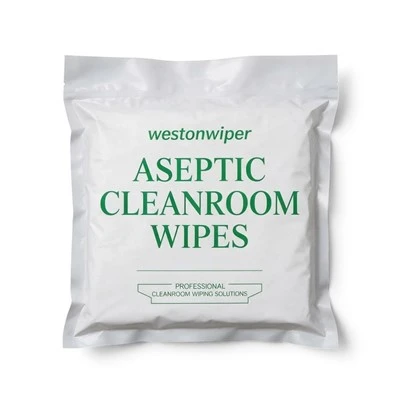
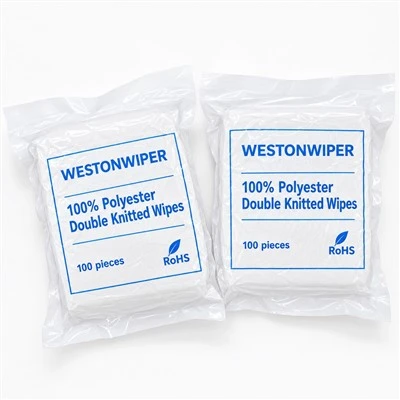
High-quality lint-free wipes provide a clean, controlled surface for removing particles and residues from exposed ferrules. When paired with a small amount of fiber-grade fluid, they support the wet-to-dry process while minimizing fiber release and secondary contamination.
For high-volume procurement, working with a dependable bulk cleanroom wipes supplier helps standardize consumable quality across installation crews, maintenance teams, and laboratory workflows. Consistent wipe cleanliness, absorbency, and packaging can make a measurable difference in repeatable connector-cleaning results.

Cleanroom Swabs for Ports and Recessed Interfaces
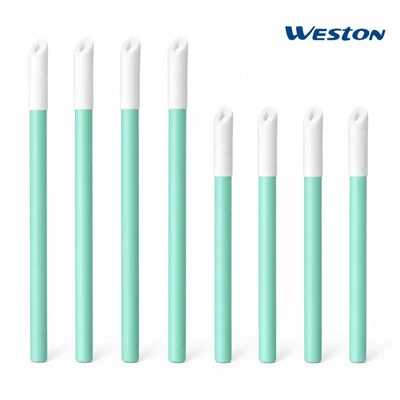
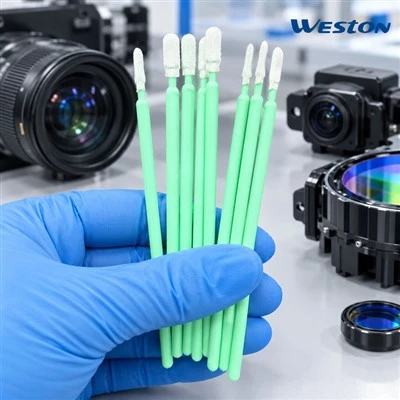
Bulkheads, adapters, and equipment ports often cannot be cleaned effectively with a flat wipe. Cleanroom swabs are designed to reach recessed areas while maintaining low particulate release and controlled absorbency.
Use the smallest swab that fits the port, apply minimal fluid, and avoid excessive pressure. The goal is to lift contamination away-not force it deeper into the alignment sleeve.
Building a Standard Cleaning Kit for Your Team
A practical fiber cleaning kit should include:
- A fiber inspection microscope.
- Lint-free cleanroom wipes.
- Fiber-grade cleaning fluid or pre-saturated wipes.
- Cleanroom swabs for ports and recessed interfaces.
- One-click cleaners for field convenience.
- MPO/MTP-specific cleaning tools where multi-fiber connectors are used.
- Dust caps for every unprotected connector.
Dust caps should remain installed whenever connectors are not in use. Every time a cap is removed and the end face is exposed, inspect and clean before mating.
FAQs
Can I Always Use Dry Cleaning to Save Time?
No. Dry cleaning is useful for light, loose contamination, but it may not remove oils, fingerprints, or bonded residues. If inspection shows remaining contamination, use a wet-to-dry method with a fresh cleaning surface.
Should I Use Alcohol on Every Connector?
No. Alcohol is not necessary for every cleaning task and may leave residue or fail to remove certain contaminants. Use a fiber-grade cleaning fluid when wet cleaning is required, and apply only a small amount.
How Do I Know the Connector Is Clean Enough?
Use a fiber inspection microscope after cleaning. A connector is ready only when the end face is visually clean, dry, and free of particles, streaks, oils, and residue.
What Is the Safest Way to Avoid Recontamination?
Keep dust caps on unused connectors, avoid touching end faces, use cleanroom-grade consumables, and follow the inspect–clean–inspect process every time.